Pavement flower stall permits Havering Council rules Hornchurch
Posted on 19/10/2026
Pavement flower stall permits Havering Council rules Hornchurch: a practical guide for florists and stallholders
If you are planning a pavement flower stall in Hornchurch, the paperwork can feel like the bit nobody likes to talk about. Lovely flowers, fresh buckets, early starts, the smell of stems in the morning air - all of that is the enjoyable part. The less glamorous part is understanding Pavement flower stall permits Havering Council rules Hornchurch, because a stall on the pavement is not just a business idea; it is also a public-space use that may need permission, careful layout, and day-to-day compliance.
This guide breaks the topic down in plain English. You will find out what the permit question really means, how the process usually works, what issues councils tend to look at, and how to avoid the mistakes that catch people out. We will also cover practical setup advice, a comparison of common options, and a checklist you can use before you trade. To be fair, a lot of businesses only think about the flowers; the best ones think about the footfall, the rules, and the people walking past with shopping bags and a tight schedule.
Whether you are a florist, a market trader, or a local business testing the waters with seasonal sales, the aim here is simple: help you trade confidently without stepping into avoidable trouble.
- Why the rules matter in Hornchurch
- How the permit process usually works
- Benefits of doing it properly
- Who needs a pavement stall permit
- Step-by-step guidance
- Expert tips for a smoother setup
- Mistakes to avoid
- Tools, resources and recommendations
- Law, compliance and best practice
- Options and comparison table
- Real-world example
- Practical checklist
- Conclusion
- Frequently asked questions
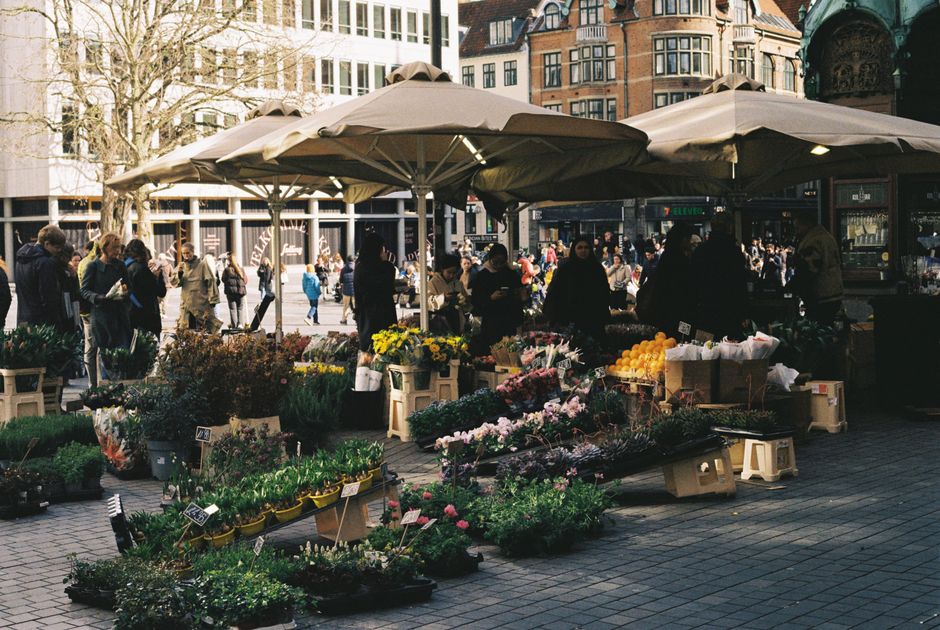
Why Pavement flower stall permits Havering Council rules Hornchurch Matters
A pavement flower stall sounds simple enough, but once you place stock on a public footway, several concerns come into play at once. There is pedestrian movement, visibility for drivers and shopfronts, access for wheelchair users and pushchairs, street cleanliness, and the wider effect on the local environment. Council rules exist to balance all of that.
In Hornchurch, that balance matters because the area has a mix of busy town-centre footfall, local shops, busier road edges, and residential streets where a stall could be either a welcome addition or a nuisance depending on where and how it operates. If your display narrows the pavement or blocks a blind corner, you may create an issue even if your flowers are beautiful. And yes, people do notice. Sometimes more than you'd expect.
For businesses, the permit question is also about credibility. A stall that is visibly organised, lawful, and tidy tends to feel safer and more professional. Customers tend to trust a trader who has clearly thought about access, waste, and trading boundaries. That trust matters, especially when buying flowers for a funeral, a wedding, or a last-minute gift on the way home.
There is also the risk side. Trading without the right permission, or misunderstanding the conditions attached to it, can lead to complaints, enforcement attention, or having to move your stall at short notice. That can be expensive and awkward, particularly if you have already paid for stock. Nobody wants to be rearranging buckets in the rain while trying to keep roses upright. Been there, in a sense; it is not a fun moment.
How Pavement flower stall permits Havering Council rules Hornchurch Works
Although the exact details can vary, the basic principle is straightforward: if you want to place a flower stall, stand, display, rack, or similar trading setup on a pavement or other public highway area, you usually need some form of permission from the relevant local authority. In many cases, councils assess the application based on the location, the size of the proposed stall, pedestrian access, safety, and how the display fits with the street scene.
That means the council is not just asking, "Are you selling flowers?" It is also asking:
- Will people still be able to pass comfortably?
- Will the stall obstruct crossings, driveways, or nearby businesses?
- Is the setup stable and safe in wind or bad weather?
- Does the display create clutter, litter, or trip hazards?
- Will the stall operate during agreed hours only?
For many traders, the process is more about matching the right stall to the right place than filling in forms. A neat display can still be refused if the pavement is too narrow, the frontage is sensitive, or the location conflicts with pedestrian movement. Equally, a fairly ordinary setup may be approved if it is modest, tidy, and genuinely workable.
The practical rhythm is usually something like this: identify the spot, check whether the use is permitted, prepare drawings or measurements if needed, submit the request, wait for assessment, and then operate only within the terms granted. Simple on paper. Slightly more fiddly in real life, naturally.
If your flower business also involves delivery or retail ordering, you may want to pair your pavement trade with a stronger online presence. For example, a local trader serving nearby customers can combine permitted stall trading with online ordering through a page such as flower delivery in South Hornchurch or a broader local shop page like florist South Hornchurch so the physical stall and digital sales support each other.
Key Benefits and Practical Advantages
Getting the permission side right is not just about avoiding trouble. It can genuinely improve the business.
1. Greater customer confidence. A lawful, tidy stall sends a quiet but strong signal that you are professional and reliable. People buying sympathy flowers or wedding bouquets often look for that kind of reassurance.
2. Better trading stability. If your setup is agreed and documented, you are less likely to be moved on mid-day or asked to change the layout at short notice.
3. Cleaner operational planning. Once you know the limits on space, hours, and display style, you can plan stock volumes more sensibly. That means fewer flowers sitting too long and less waste.
4. Stronger local reputation. A pavement stall that feels considerate usually gets a better reception from nearby businesses and residents. Little things matter here: keeping water trays contained, not leaving cardboard around, and making sure the shopfront still looks open and welcoming.
5. Easier scaling later. If you ever want to add seasonal displays, special occasion stock, or wedding-order collection points, starting with proper permissions makes future expansion easier.
Expert summary: The best pavement flower stall is rarely the biggest one. It is the one that looks calm, fits the street, and respects how people actually move through the space.
Who This Is For and When It Makes Sense
This topic is relevant to a few different types of business owner, and they each have slightly different needs.
- Independent florists who want a small external display outside a shopfront.
- Market traders testing a pavement-based setup near a town-centre location.
- Seasonal sellers planning peak periods such as Valentine's Day, Mother's Day, Christmas, or wedding season.
- Existing local retailers who want flowers outside their premises to improve visibility.
- Community and charity sellers who may need temporary permissions for fundraising sales.
It makes sense when the stall genuinely adds value and does not overtake the pavement. If the display is there to catch passing trade, support impulse buying, or complement a shop, a modest approved setup can work very well. If your business plan depends on a large footprint, multiple stands, and a lot of customer browsing space, you may need a more suitable format than a pavement pitch.
Ask yourself a very practical question: would a passer-by feel pleasantly guided toward the flowers, or mildly boxed in by them? That answer often tells you whether the setup is on the right track.
If you are also considering selling online alongside the stall, it helps to think about product mix. Fresh hand-tied bunches may suit the pavement better than fragile wedding installations, while a broader range can be promoted through pages such as best flower delivery in South Hornchurch or same-day flower delivery for customers who want convenience beyond the street display.
Step-by-Step Guidance
Here is a practical route you can follow if you want to pursue a pavement flower stall in Hornchurch without turning it into a paperwork swamp.
- Define the exact location. Be precise. "Outside the shop" is not enough. Measure the frontage, note nearby entrances, and observe pedestrian flow at different times of day.
- Check whether the pavement is suitable. Some spots simply will not work because of width, street furniture, bus stops, crossings, or visibility issues.
- Decide what you want to place out. A single display stand is very different from several racks, buckets, and a branded board. Less can genuinely be more.
- Gather supporting details. Photos, rough sketches, dimensions, opening times, and what you intend to display can all help when explaining the proposal.
- Apply through the proper channel. The council route matters. Do not assume a verbal agreement from a landlord or nearby business owner is enough on its own.
- Wait for approval before trading. This is the bit people sometimes rush. A quiet start today can save a much louder problem tomorrow.
- Set up to the agreed layout only. Keep within the footprint, hours, and conditions that were accepted.
- Review regularly. A setup that works in summer may be less suitable in winter, especially if umbrellas, wind, or wet surfaces become an issue.
One small but useful habit: visit the site at roughly the same times you would trade. Early morning can feel roomy; lunchtime can feel very different. A pavement that looks generous at 7:30 a.m. may feel tight by noon when commuters and shoppers are moving through.
Expert Tips for Better Results
There are a few tricks that make the whole thing easier, and they are not especially glamorous.
Keep the display shallow. A narrow, tidy frontage tends to work better than a deep spread of stock. Flowers are visually strong, so you do not need to take over the pavement to be noticed.
Use stable containers. Water-filled buckets and tall arrangements can become risky in gusty weather. If the setup wobbles, it feels unprofessional fast.
Think in zones. Separate walking space, display space, and any payment or packaging area. That makes the stall easier to manage during busy periods.
Plan for cleanup. Wet stems, fallen leaves, ties, and packaging scraps can make a pavement messy in minutes. A small brush, waste bag, and towel are not optional extras; they are part of the kit.
Match your stock to the location. A modest daily display may suit a high-footfall street. Seasonal hero pieces may do better at weekends or during events. If your pitch is near offices, compact gift bunches can work well. If it is closer to homes, occasion-led flowers may sell better. You learn this by watching, not guessing.
Be visible but not loud. Clean signage, clear pricing, and good presentation usually beat overdone branding. That said, a touch of personality helps. A small chalkboard, properly kept, can feel charming rather than shouty.
And yes, keep an eye on the weather. British weather does like a surprise. One minute soft sun, next minute a swirl of damp leaves and a box of tulips looking offended.
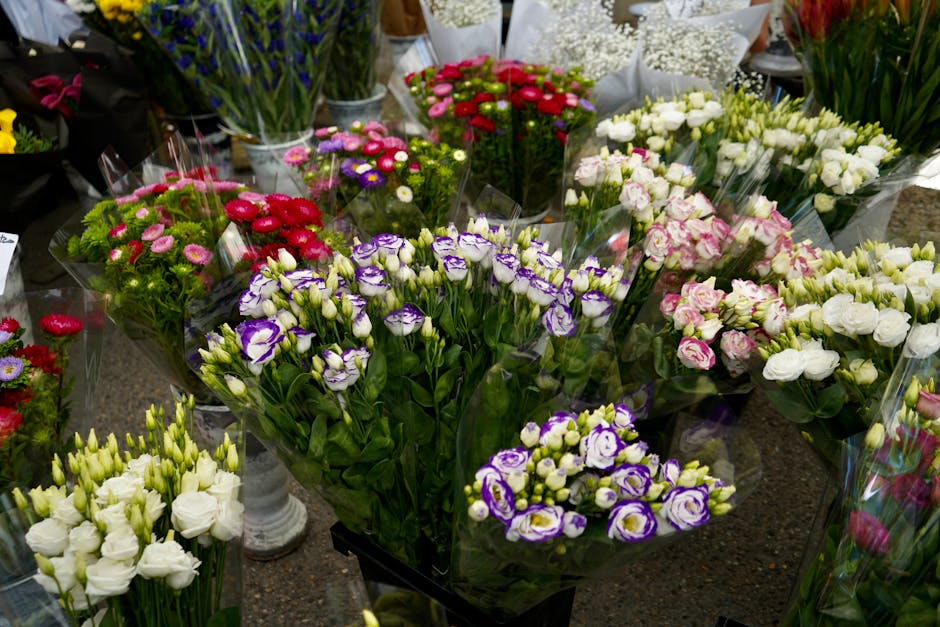
Common Mistakes to Avoid
Most problems with pavement stalls are surprisingly ordinary. Not dramatic. Just avoidable.
- Assuming permission is automatic. A nice site is not the same as an approved site.
- Using too much space. Even a good business can become a nuisance if the frontage is cramped.
- Ignoring access needs. Wheelchair users, prams, mobility aids, and delivery trolleys all need room.
- Leaving stock outside after trading hours. That can create safety and nuisance issues.
- Overloading the display. Too many items can make the stall look cluttered and harder to supervise.
- Skipping weather protection. Rain, wind, and direct sun all affect flowers and can spoil the appearance quickly.
- Not keeping records. Keep a note of what was agreed, when, and with whom. Small admin, big peace of mind.
A very common mistake is treating a pavement stall like an indoor counter. It is not. Outdoor trade needs more discipline, more clearance, and more care. The street will not manage itself for you.
Tools, Resources and Recommendations
You do not need fancy kit to start, but a few practical tools make life easier from day one.
- Measuring tape: essential for working out the exact footprint.
- Site photos: take pictures from several angles and at different times of day.
- Rough layout sketch: useful for showing where the stall sits relative to the shopfront and footway.
- Weather-resistant display containers: stable, easy to clean, and not prone to toppling.
- Waste bags and cleaning kit: keep the pitch neat throughout the day.
- Simple stock log: helps you see what sells well from the pavement and what does not.
If you are already running a local flower business, it can also help to think about the stall as part of a wider product mix. Premium bouquets, gift bundles, and occasion flowers can be promoted online, while the pavement display acts as a visual invitation. Pages such as best sellers, luxury flowers, and flowers in a vase can support the kind of stock that people tend to notice quickly outside a shop.
If your business needs special occasions covered, it can also be useful to align the stall with ranges such as birthday flowers, sympathy flowers, or weddings, depending on the kind of customer traffic you see.
Law, Compliance, Standards, or Best Practice
Because this topic touches public space use, it is sensible to treat compliance carefully. The exact legal route can depend on the specific location, the nature of the stall, and the council's current procedures. In practice, that means you should not rely on assumptions or what another trader says they were allowed to do years ago. Rules can change, and sometimes what was tolerated before is no longer acceptable now.
The safest approach is to work from the principle that the public highway is not private trading space. If you want to use part of it for a flower stall, the setup must respect pedestrian safety, access, and any local conditions. The council may also consider whether the stall creates obstruction, visual clutter, or a hazard in poor weather.
Best practice usually includes:
- keeping the stall compact and well organised;
- avoiding obstruction to entrances, crossings, and sightlines;
- ensuring the display is stable and does not tip easily;
- maintaining a clean, hazard-free frontage;
- only trading within approved hours and conditions;
- being ready to remove or alter the stall if conditions change.
If you are unsure, get clarity before you invest too much in equipment. A nice branded stand is only a good idea if the location and permission support it. Otherwise, it is just an expensive obstacle with flowers on top.
Options, Methods, or Comparison Table
Not every flower business needs the same setup. In fact, the right choice depends on how much space you have, how you trade, and how often you want to display stock outside.
| Option | Best for | Pros | Trade-offs |
|---|---|---|---|
| Small pavement display | Compact local florists and impulse purchases | Simple, visible, easier to manage | Limited stock, weather exposure |
| Seasonal or temporary setup | Peak periods and special occasions | Flexible, lower long-term commitment | Needs planning and timely removal |
| Shopfront display tied to online ordering | Businesses with delivery and click-and-collect | Better customer journey, broader reach | Requires more coordination |
| No pavement stall, delivery only | Businesses prioritising efficient operations | Less public-space risk, easier compliance | Less street visibility |
For many small florists, the best answer is not "more display." It is the right display in the right place. Sometimes a modest street-facing arrangement plus strong delivery options is the sweet spot. If that is the direction you want, a local ordering page such as send flowers in South Hornchurch can do a lot of heavy lifting alongside your physical stall.
Case Study or Real-World Example
Imagine a small florist in Hornchurch who wants to place a single display stand outside the shop from Thursday to Saturday. The idea is sensible: a compact rack of seasonal bouquets, some hand-tied bunches, and a few visible price points to attract passing customers.
At first glance, it looks easy. But after measuring the frontage, the owner notices that the pavement narrows near a neighbouring doorway and a signpost already takes up some space. In the morning, the area seems fine. At lunchtime, with more pedestrians, it feels tighter. So the layout is reduced by half, the stand is kept shallow, and the stock is limited to easier-to-move bunches rather than bulky displays.
The result is better on every front. The stall looks neat, the shopfront stays accessible, and the owner has less daily mess to manage. Sales still come in, but the display does not dominate the street. A small adjustment, honestly, but it changes the whole mood of the pitch.
That is the kind of decision-making that usually pays off. Not flashy. Just thoughtful.
Practical Checklist
Use this before you apply, set up, or expand a pavement flower stall in Hornchurch.
- Have you measured the exact space you want to use?
- Have you checked how pedestrians move through the area at busy times?
- Do you know whether the proposed stall could block access, entrances, or sightlines?
- Have you prepared photos or a simple sketch of the layout?
- Are your containers stable and weather-appropriate?
- Will you be able to keep the area clean during trading?
- Have you confirmed what permission or approval is required before you trade?
- Do you understand the hours and conditions you must follow?
- Have you considered whether the display size matches your actual sales pattern?
- Do you have a backup plan for wind, rain, or a sudden change in footfall?
Quick takeaway: if the setup is easy to walk past, easy to supervise, and easy to clean, you are already halfway to a better result.
Get a free quote today and see how much you can save.
Conclusion
Getting to grips with Pavement flower stall permits Havering Council rules Hornchurch is really about combining good business sense with respect for the street. If you think like a trader, a pedestrian, and a council officer all at once, you will usually end up with a better setup. That sounds a bit much, maybe, but it is the truth.
Keep the display tidy. Keep the footprint modest. Keep records of what has been agreed. And do not rush the permission side just because you are eager to start trading. A well-planned flower stall can add colour to the street, draw in customers, and make your business feel rooted in the local area. That part is genuinely rewarding.
Take the time to do it properly, and the flowers will do the rest.
Frequently Asked Questions
Do I need permission for a flower stall on the pavement in Hornchurch?
In many cases, yes, because pavement trading uses public space and may affect access, safety, and street management. The exact requirement depends on the location and how the stall is set out.
Can I just place a small display outside my florist without asking anyone?
It is risky to assume that a small display is automatically allowed. Even compact setups can create an obstruction if the pavement is narrow or busy. Get clarity before trading.
What does the council usually look at when considering a pavement stall?
Typical considerations include pedestrian access, width of the remaining walkway, visibility, safety, stability, nearby entrances, and whether the stall fits the character of the location.
Are temporary flower stalls treated differently from permanent ones?
Often they are, but temporary does not mean exempt. Seasonal or short-term trading still needs the right approval if it uses the pavement or highway.
How much space should I leave for pedestrians?
There is no universal figure I can safely give here because the council and site conditions matter. The practical rule is simple: leave enough room for comfortable, uninterrupted movement, including wheelchairs and pushchairs.
Can I use a branded stand or A-board with my flower stall?
Sometimes, but only if it is allowed as part of the approved setup and does not create an obstruction. A-board style signs are often one of the first things councils scrutinise, so check carefully.
What happens if I trade without the right permission?
You could be asked to remove the stall, face enforcement action, or be required to change the layout at short notice. It is much better to sort the permission first than to gamble on being overlooked.
Is a pavement flower stall worth it for a small florist?
It can be, especially if your pitch has good footfall and the display is neat and easy to manage. Many small businesses use a modest frontage display to attract impulse buyers and support local visibility.
Should I rely on the landlord's permission alone?
No. A landlord may control the property, but public pavement use can still require council approval or other permissions. The two things are not the same.
What is the best type of stock for a pavement display?
Hardy, visually strong, easy-to-carry items often work best. Think compact hand-tieds, seasonal bunches, and clear price points rather than fragile, oversized arrangements that are difficult to manage outdoors.
How do I make a pavement stall look professional?
Keep it clean, compact, and consistent. Use stable containers, avoid clutter, refresh wilted stock quickly, and make sure signage is neat. A well-kept stall often sells itself better than a crowded one.
Can I combine a pavement stall with online flower delivery?
Yes, and for many florists that is the smartest approach. The stall creates visibility on the street, while online ordering captures customers who want convenience or delivery to nearby addresses.